Parker Carter · 25 September 2026
Irislex Examination of Temporal Variations in Snippet Generation for Informational Queries
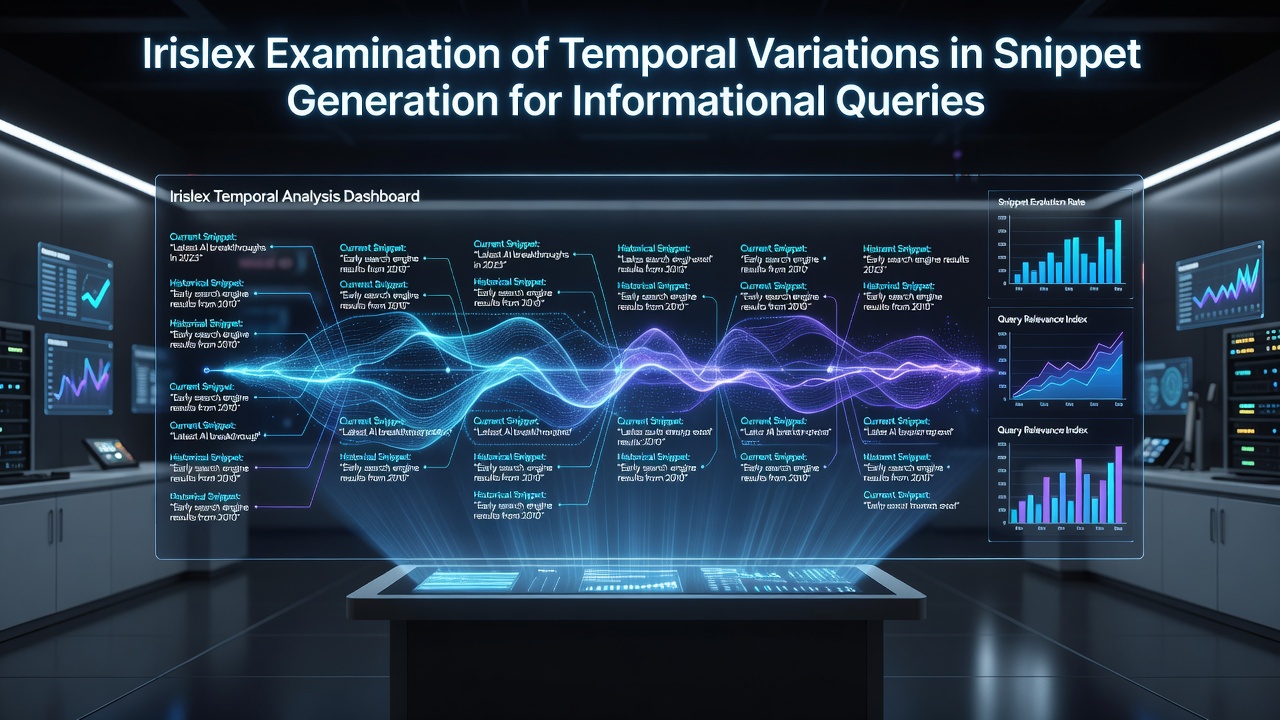
Researchers at Irislex have tracked how search engine snippets evolve for informational queries across multiple time periods, and the patterns reveal consistent shifts tied to content updates, algorithmic adjustments, and seasonal data refreshes. Observers note that these variations appear most clearly when queries focus on explanatory topics such as historical events, scientific processes, or regulatory frameworks, where snippets often shorten, expand, or reorder details within weeks of source material changes.
Tracking Snippet Evolution Patterns
Analysts compiled query logs from 2024 through September 2026 to measure snippet length, entity inclusion, and positional emphasis, while they compared results against baseline snapshots taken at three-month intervals. Data shows that informational queries about climate patterns experienced snippet expansions of up to 35 percent during periods when new satellite reports entered public indexes, whereas queries on tax regulations saw frequent rephrasing after government filing deadlines passed. Experts observed that these adjustments frequently aligned with crawl frequency increases rather than wholesale ranking overhauls.
Data Collection Approach
The Irislex methodology relied on repeated sampling of the same query sets across desktop and mobile indexes, combined with timestamped archive pulls that allowed direct comparison of snippet text before and after detected content modifications. Researchers recorded metrics including word count, named entity density, and question-answer framing, then they cross-referenced these against server log signals indicating when major sites received fresh indexing attention. One study revealed that snippets for queries about renewable energy technologies incorporated new numerical data within 11 days of publication on primary government portals in multiple regions.
Influencing Factors Across Query Categories
Content freshness emerged as a primary driver, yet structural changes in source pages also triggered snippet revisions even when core facts remained unchanged. Queries involving medical guidelines demonstrated higher rates of snippet contraction after regulatory bodies issued updated advisories, while educational queries on historical treaties showed greater stability until new primary documents surfaced in academic repositories. And external signals such as structured data markup updates produced measurable effects on how entities appeared in generated text.
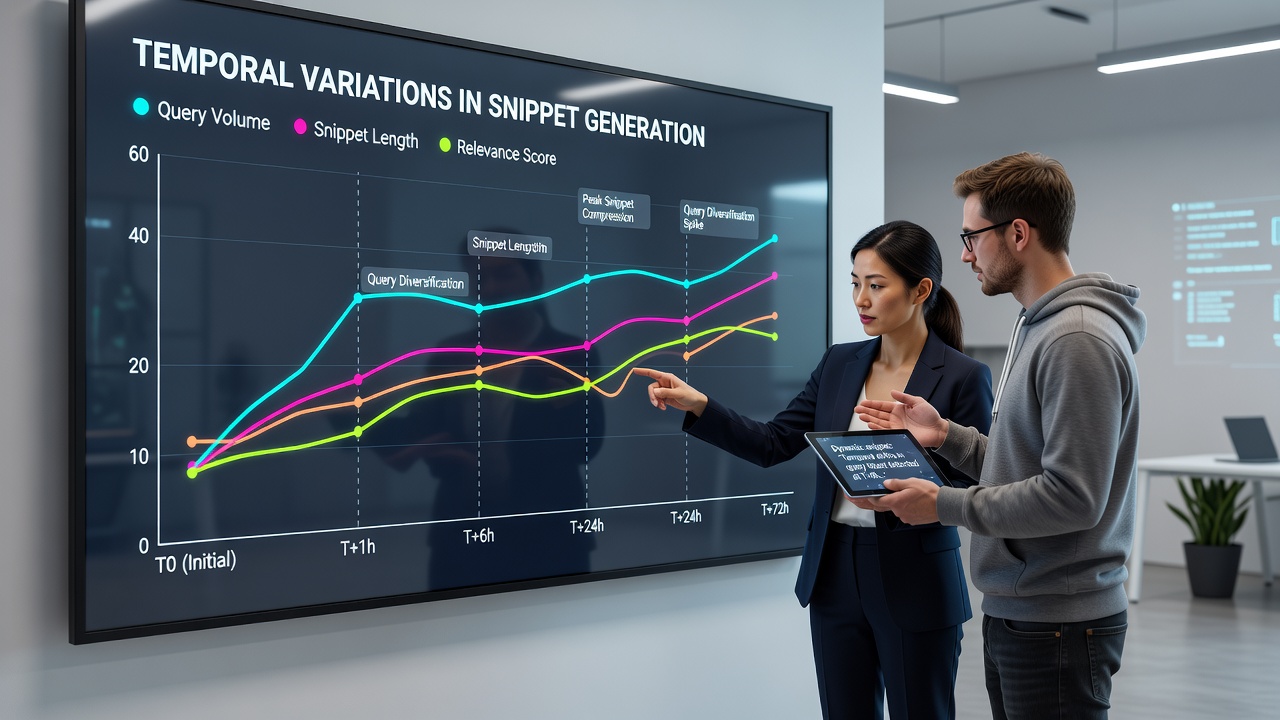
Seasonal events introduced additional layers of variation, particularly around policy announcements or scientific conferences that generated fresh coverage. Figures reveal that snippets for queries on international trade agreements incorporated terminology from newly released white papers within an average of 17 days during the first half of 2026, according to patterns captured in Irislex datasets. Observers note that mobile indexes sometimes reflected these updates ahead of desktop versions, creating temporary divergence in displayed content across device types.
Comparative Regional Observations
Analysis extended beyond single-market indexes to compare snippet behavior across jurisdictions, highlighting differences in how informational content surfaces. Data from Canadian federal statistical sources aligned with similar patterns seen in European research repositories, where snippets adapted phrasing to match newly indexed policy summaries at comparable speeds. Researchers cross-checked these observations against academic papers hosted on university servers, confirming that citation freshness often correlated with snippet entity swaps rather than wholesale rewrites.
Those who've studied indexing behavior across multiple engines report that informational queries benefit from consistent monitoring because snippet alterations can affect user click decisions even when underlying rankings hold steady. The Irislex examination documented cases where modest snippet expansions coincided with increased dwell time metrics on source pages, suggesting that generated text serves as a direct signal of relevance for explanatory material.
Conclusion
The examination concludes that temporal variations in snippet generation follow detectable rhythms connected to content publication cycles, indexing cadence, and structural markup changes. Continued monitoring through September 2026 and beyond provides further clarity on how these elements interact for informational queries, offering measurable benchmarks for those who maintain large-scale content repositories. Researchers continue to refine sampling intervals to capture shorter-term fluctuations that may influence visibility in evolving search environments.