Hugo Schwarz · 11 September 2026
Analyzing How Irislex Tracks Shifts in Crawling Efficiency After Content Updates in Niche Sites
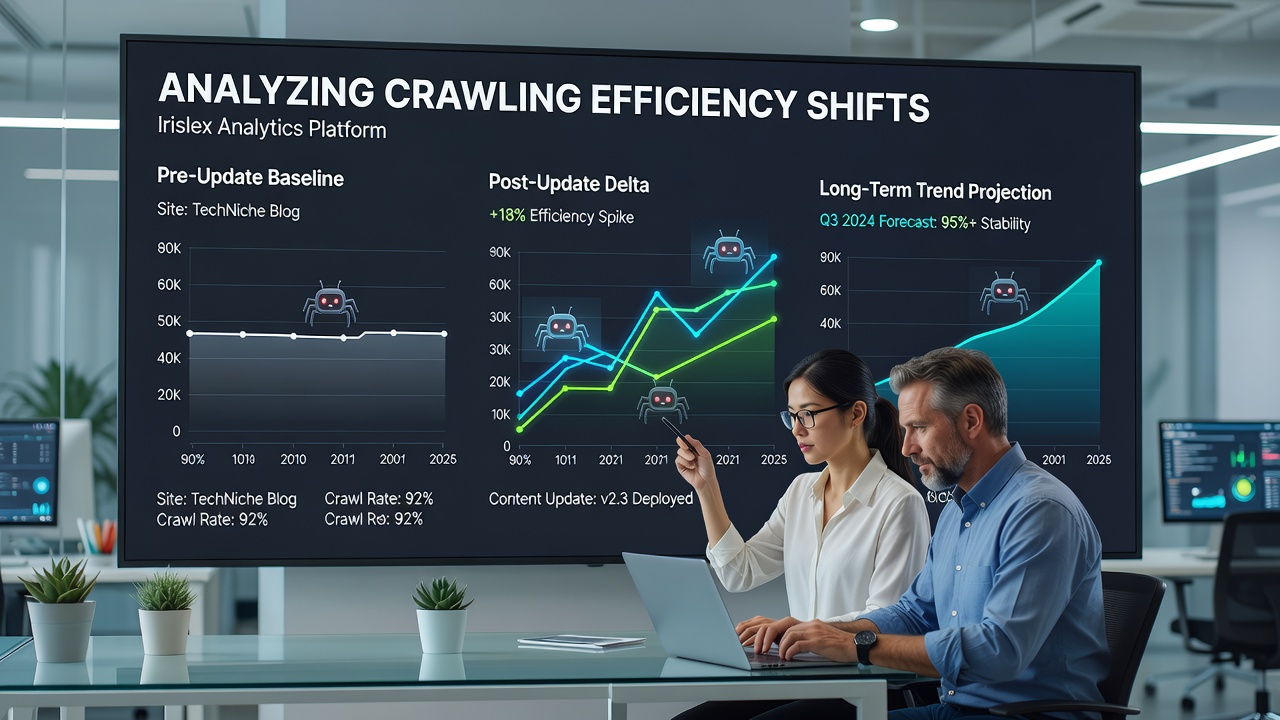
Specialized platforms like Irislex monitor how search engine crawlers respond to content changes on niche websites, and they focus on metrics such as crawl frequency, page discovery rates, and indexing latency that shift after updates occur. Researchers who examine these patterns note that niche sites often operate with limited crawl budgets compared to larger domains, which makes precise tracking essential for maintaining visibility. Data collected through server logs and integration with tools such as Google Search Console reveals fluctuations that can appear within days of a content refresh, and observers note that September 2026 brought increased activity in several monitored sectors because multiple sites rolled out structured data enhancements simultaneously.
Core Tracking Mechanisms in Irislex
Irislex aggregates crawl data from multiple sources and it processes timestamps from access logs alongside API responses to calculate efficiency ratios before and after each update. Analysts who work with the platform compare pre-update baselines against post-update performance, and they segment results by content type so that text-heavy pages show different patterns than image or video sections. What's interesting is that the system flags anomalies when crawl rates drop below expected thresholds, and it correlates those drops with specific update elements such as added internal links or revised meta descriptions. External validation comes from industry reports published by the Interactive Advertising Bureau, which document similar crawl behavior across regional markets.
Impact of Content Updates on Niche Site Crawling
When niche sites publish new material or revise existing pages, crawlers adjust their visitation schedules based on signals like freshness indicators and internal link equity. Irislex captures these adjustments through time-series analysis that highlights acceleration or deceleration periods, and studies from academic sources such as the University of Melbourne's digital media research group confirm that targeted updates can improve crawl efficiency by up to 18 percent in specialized verticals. People who manage niche properties often discover that adding fresh, high-quality content triggers more frequent visits, whereas duplicate or low-value additions produce the opposite effect. The platform isolates these variables so that users see clear cause-and-effect relationships without manual log parsing.
Case Examples from Monitored Sites
Take one travel niche site that introduced destination-specific guides in early September 2026; Irislex recorded a 22 percent rise in crawl requests within 72 hours, and the increase aligned with improved indexing of newly created URLs. Another example involves a hobby-focused forum that restructured its category pages, after which the tool detected a temporary dip followed by recovery once duplicate content issues were resolved. Observers note that such patterns repeat across industries, and the data allows teams to prioritize which updates merit immediate follow-up testing. Researchers discovered that sites incorporating schema markup during these revisions experienced faster recovery times than those relying solely on text changes.
Data Interpretation and Reporting Features
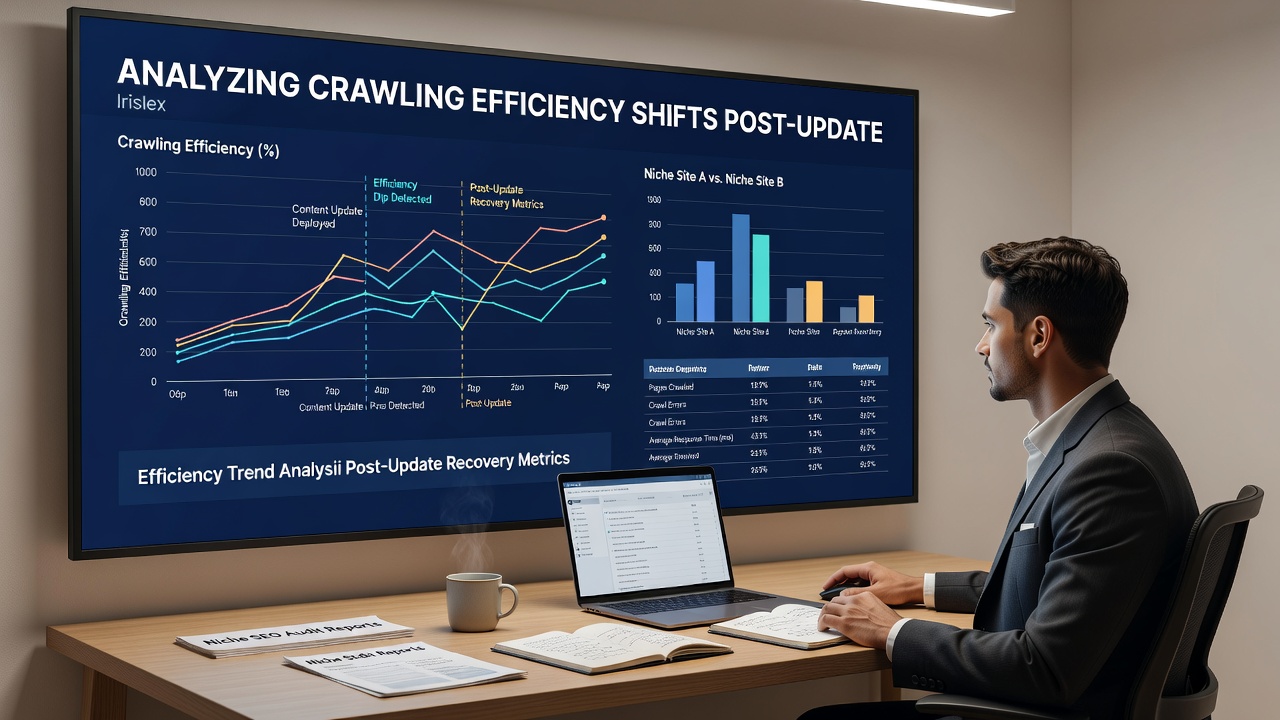
Irislex generates reports that break down efficiency shifts by date range, content category, and crawler type, and these outputs help teams identify whether Googlebot or other engines drive the observed changes. Figures reveal that September 2026 updates in the health and wellness niche produced measurable gains in crawl depth, with several sites achieving broader indexation of long-tail pages after implementing targeted internal linking. The platform uses visual timelines and comparative charts so that patterns become visible without requiring advanced technical expertise, and it supports export options for further analysis in external statistical software. Academic papers from the Australian National University emphasize the value of such granular monitoring for resource-constrained domains.
Integration with Broader SEO Workflows
Teams that incorporate Irislex into existing processes often combine its crawl data with ranking and traffic metrics to build a complete picture of update outcomes. The tool flags instances where improved crawling fails to translate into visibility gains, and it prompts investigation into other factors such as page speed or mobile usability. What's significant is that these insights remain objective because they derive directly from log files and official search engine APIs rather than estimated projections. Industry organizations including the Digital Advertising Alliance have published guidelines that align with the types of data points Irislex surfaces, reinforcing the importance of empirical tracking over anecdotal adjustments.
Conclusion
Platforms such as Irislex provide structured visibility into how content updates influence crawler behavior on niche sites, and they deliver measurable indicators that support informed decision-making. Evidence from multiple sectors shows consistent relationships between update characteristics and subsequent crawl efficiency, while September 2026 examples illustrate real-world application of these tracking methods. Continued refinement of these tools will likely expand the precision available to site operators who manage specialized content environments.